Psychology
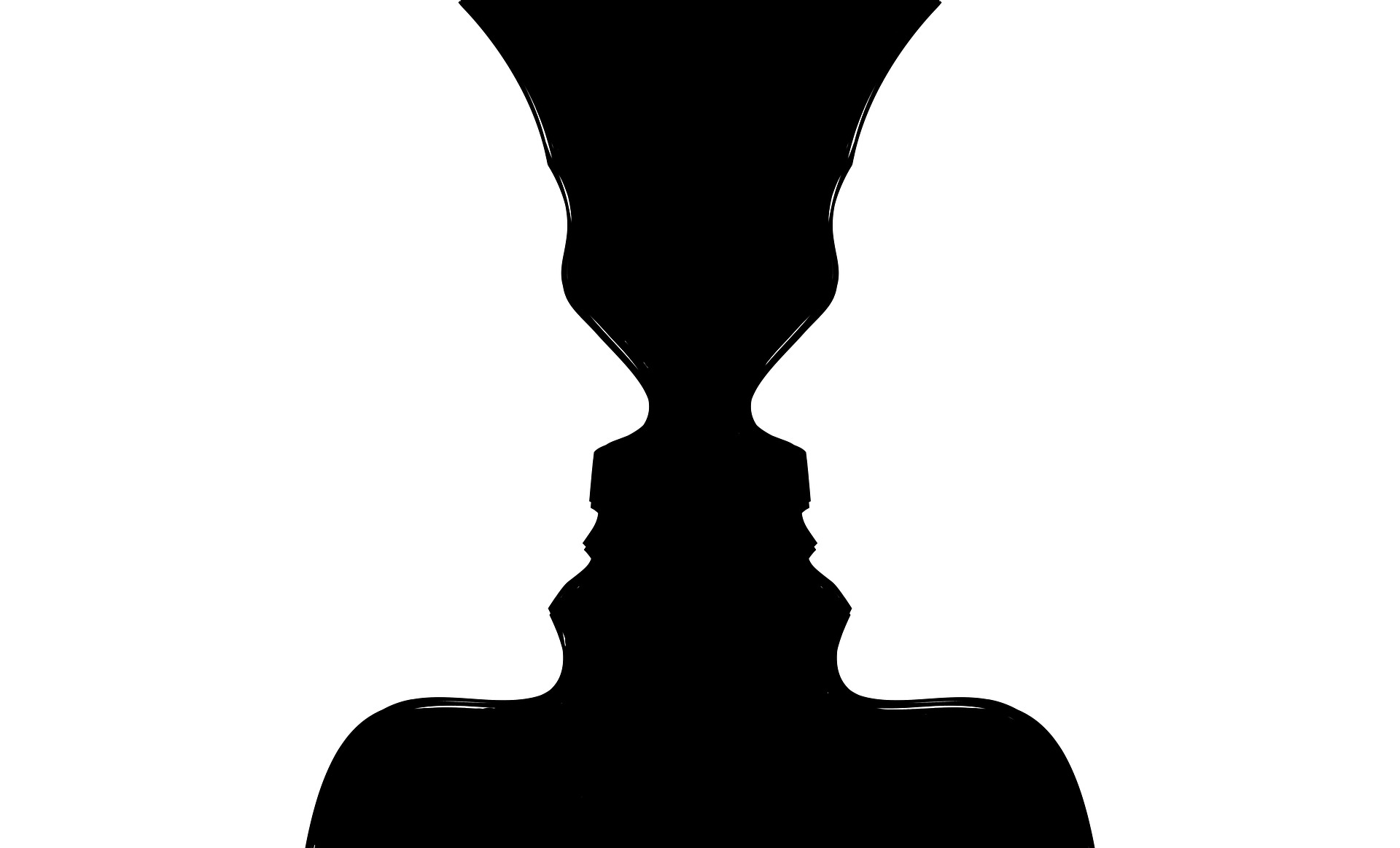
Law of parsimony
This is the principle in Psychology, which is also called economy principle or principle of economy, which means that the simplest explanation of an event or observation is the preferred explanation. Simplicity can be understood in various ways, including the requirements that: (a) an explanation should make the smallest number of unsupported assumptions, (b) an explanation should postulate the existence of the fewest entities, and (c) an explanation should invoke the fewest unobservable constructs.
Memory
Memory is very important for our lives. We use memory to remember best moments in our life and essential things we need for everyday life. Some people believe that memory is innate and cannot be improved, but this is not true. There are techniques we can use to improve memory. First thing we can do to improve memory is to play brain games. Brain games train our brain and force him to be active. Nowadays, there are a lot of brain games. Different puzzles and crosswords will help you to delay drop in concentration and improve your memory. Second thing we can do is to get more sleep. Losing a half of night’s sleep can erode memory. Thus, nothing has a better effect on memory than a good, long sleep. Third thing we can do is to quit smoking. Few people know that smoking has a harmful effect not only on our health, but also on our memory. Stopping smoking will restore memory to its original state and normal functioning.
Nostalgia
Nostalgia was first noticed in Swiss soldiers serving abroad, struggling with fatigue, insomnia, irregular heartbeat, indigestion and fever. Firstly, it was believed to be Swiss affliction, caused by sounds of cows’ bells in Alpes. Some doctors believed that constant sounds of bells caused trauma to the eardrums and brain. Then, as migration progressed worldwide, it was discovered that everyone separated from the home manifested similar symptoms. By the 20th century, nostalgia was no longer viewed as a mental disease, but as a condition similar to depression. In modern times, meaning of nostalgia shifted from homesickness to general longing for the past. Then, it was discovered that those symptoms were correlated with nostalgia, but not caused by it. Professionals realised that nostalgia didn’t generally put people in a negative mood. In fact, inducing nostalgia can boost our self esteem and social belonging. It can encourage sociological growth and charitable behaviour. It helps us remember our lives have meaning and value.
Beginning of moving pictures
If we combine the scientific and the artistic efforts of the new and the old world, we may tell the history of the moving pictures by the following dates and achievements. In the year 1825 a Doctor Roget described in the "Philosophical Transactions" an interesting optical illusion of movement, resulting, for instance, when a wheel is moving along behind a fence of upright bars. The discussion was carried much further when it was taken up a few years later by a master of the craft, by Faraday. In the _Journal of the Royal Institute of Great Britain_ he writes in 1831 "on a peculiar class of optical deceptions." He describes there a large number of subtle experiments in which cogwheels of different forms and sizes were revolving with different degrees of rapidity and in different directions. The eye saw the cogs of the moving rear wheel through the passing cogs of the front wheel. The result is the appearance of movement effects which do not correspond to an objective motion. The impression of backward movement can arise from forward motions, quick movement from slow, complete rest from combinations of movements. For the first time the impression of movement was synthetically produced from different elements. For those who fancy that the "new psychology" with its experimental analysis of psychological experiences began only in the second half of the nineteenth century or perhaps even with the foundation of the psychological laboratories, it might be enlightening to study those discussions of the early thirties.
Why do we dream?
Since the beginnings of human existence, the purpose of human dreams was questioned. Although, today, science is thriving, we still don’t know the exact reason. All we got are theories.
The first theory proposes we dream to fulfill our wishes. Freud proposed that everything we remember when we wake up represents our primitive desires and thoughts. He believed that by analysing our dreams, we can reveal our unconscious brain content to our consciousness. As a result we will resolve our issues.
The second theory proposes that we dream to remember. In one experiment two groups were asked to get through the same maze. One group dreamed about it before the task, and the other group didn’t. The first group had much better results. Therefore, it was concluded that while sleeping some unknown memory processes happen.
The third theory proposes that we dream to forget. This theory is also called reverse learning. It is hypothesized that during dreams our brain gets rid of unimportant information. Otherwise, it would be overwhelmed and incapable of functioning.
The fourth theory proposes that we dream to keep our brains working. That means, our dreams represent brains’ recollections of random fact in order not to completely shut down.The fifth theory proposes that we dream to rehearse. They put us in situations we may encounter in real life and prepare us for them.
The sixth theory proposes we dream to heal. It was discovered that stress levels are significantly lower while sleeping. This allows psychological healing. People with mood disorders or PTSD often have difficulties with falling asleep. This leads some scientists to believe that their lack of sleep is correlated with their mental situation.
The seventh theory proposes that we sleep to solve problems. In dreams we are unconstrained by social rules and morals. This allows us to come up with ideas we wouldn’t even think of in real life. For example, the structure of benzene was discovered in dreams.
There are many theories, but none of them is proved. But as technology prospers, we will discover the exact reason.
Learning through feedback
In our lives we’ve all learned to think of ourselves in certain specific ways. We have a certain perception of ourselves that we develop through our life experiences. Sometimes these self-images are pretty realistic, sometimes they’re not. They usually also serve to protect us from external messages that intend to hurt or weaken us. Feedback is a great way to help another person to add some colour or shape to their self-image. It can be a wonderful gift for personal development if your feedback is based on goodwill and empathy. Also, it can be maintained in a group, especially if your relationship has already helped you create an atmosphere of trust and empowerment.
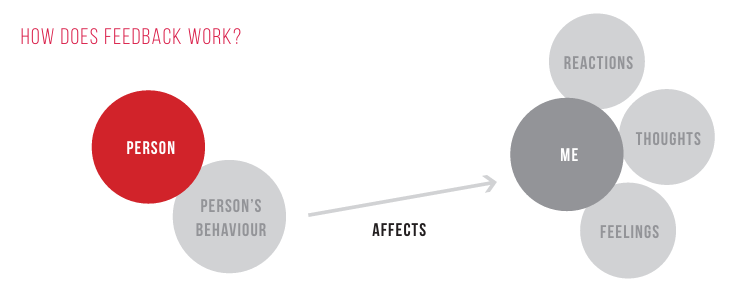
The essence of constructive and supportive feedback is to speak about an effect that is created by a person’s very specific behaviour. The other person’s behaviour can be experienced through our emotions, thoughts, and immediate reactions. Usually what happens is that in our daily life we suddenly make assumptions and conclusions about that person rather than uncouple a person from their behaviour, so we rush to find information that supports our prejudices about that particular person. So we say “You’re such a slow person” instead of “It seems this time it took you three hours to accomplish this task, which is longer than last time. In your opinion, what were the reasons for that?” Which of those two comments would help the other person learn?
What yoga does to your body and brain?
Between the 1st and 5th century C.E., hindu sage Patanjali recorded Indian meditative tradition in 196 manuals called the Yoga Sutras. He defined yoga as restraining of mind from focusing on external things in order to achieve full consciousness. According to him, there are 3 core approaches to yoga: Physical posture, Breathing exercise and Spiritual contemplation.
For a long time scientists have been studying the effects of yoga. However, it is hard to make specific claims. Since experiments are performed on small groups of people, results are lacking diversity. Results are, also, subjective due to self reporting. Moreover, because of the unique set of yoga activities, it is hardly possible to determine what activity produces what health benefit.
Nevertheless there are some benefits that have scientific support. Firstly, it is proven that yoga increases strength and flexibility. Stretching, through yoga postures, brings water to muscles. As a result, stem cells, which differentiate in muscle and tissue cells, are produced. Also, yoga has a great therapeutic effect on musculo-skeletal disorders. It reduces pain and improves mobility.
Furthermore, yoga is proven to have benefits on the lung and heart. People with lung disorders such as asthma and bronchitis, have shrunk passageways that carry oxygen and weakened membrane that transfers oxygen into blood. Yoga breathing relaxes lung muscles and thus increases oxygen diffusion. Higher concentration of oxygen in blood benefits the heart, lowering blood pressure and reducing risk of cardiovascular diseases.
Moreover, yoga has remarkable psychological effects. Although the most commended yoga benefit, due to lack of evidence, it is the hardest one to prove. It is strongly believed that yoga helps treat depression and anxiety. But, because of the wide variety of diagnosis, origines and severity of those diseases it is hard to determine yoga’s exact impact.
Theories of Psychology
AP Content
1 The Story of Psychology
What Is Psychology?
Psychology’s Roots
Psychological Science Develops
Contemporary Psychology
Psychology’s Biggest Question
Psychology’s Three Main Levels of Analysis
Psychology’s Subfields
CLOSE-UP: Tips for Studying Psychology
CHAPTER 1
Thinking Critically With Psychological Science
The Need for Psychological Science
Did We Know It All Along?
Hindsight Bias
Overconfidence
The Scientific Attitude
Critical Thinking
How Do Psychologists Ask and Answer Questions?
The Scientific Method
Description
Correlation
Experimentation
Statistical Reasoning in Everyday Life
Describing Data
Making Inferences
Frequently Asked Questions About Psychology
CHAPTER 2
The Biology of Mind
Neural Communication
Neurons
How Neurons Communicate
How Neurotransmitters Influence Us
The Nervous System
The Peripheral Nervous System
The Central Nervous System
The Endocrine System
The Brain
The Tools of Discovery: Having Our Head Examined
Older Brain Structures
The Cerebral Cortex
Our Divided Brain
Right-Left Differences in the Intact Brain
CHAPTER 3Consciousness and the Two-Track MindThe Brain and Consciousness 86Cognitive Neuroscience 86Dual Processing 87Sleep and Dreams 91Biological Rhythms and Sleep 92Why Do We Sleep? 97Sleep Disorders 101Dreams 103Hypnosis 108Facts and Falsehoods 108Explaining the Hypnotized State 110
Drugs and Consciousness 112Dependence and Addiction 113Psychoactive Drugs 114Influences on Drug Use 123Near-Death Experiences 126
133
CHAPTER 4Nature, Nurture, and Human DiversityBehavior Genetics: Predicting IndividualDifferences 134Genes: Our Codes for Life 134Twin and Adoption Studies 135Temperament and Heredity 139Heritability 140Gene-Environment Interaction 142The New Frontier: Molecular Genetics 142Evolutionary Psychology: Understanding HumanNature 143Natural Selection and Adaptation 144Evolutionary Success Helps Explain Similarities 144An Evolutionary Explanation of Human Sexuality 146Parents and Peers 149Parents and Early Experiences 149Peer Influence 152Cultural Influences 153Variation Across Cultures 154Variation Over Time 155Culture and the Self 155Culture and Child-Rearing 157Developmental Similarities Across Groups 158Gender Development 159Gender Similarities and Differences 159The Nature of Gender 162The Nurture of Gender 164Reflections on Nature and Nurture 166
The Eye 237Visual Information Processing 240Color Vision 243Hearing 245The Stimulus Input: Sound Waves 245The Ear 246Hearing Loss and Deaf Culture 250CLOSE-UP: Living in a Silent World 251Other Important Senses 252Touch 252Pain 255Taste 258Smell 260Perceptual Organization 263Form Perception 264Depth Perception 266Motion Perception 269Perceptual Constancy 269Perceptual Interpretation 272Sensory Deprivation and Restored Vision 273Perceptual Adaptation 274Perceptual Set 275Perception and the Human Factor 279Is There Extrasensory Perception? 282Claims of ESP 282Premonitions or Pretensions? 282Putting ESP to Experimental Test 283
291CHAPTER 7LearningHow Do We Learn? 291Classical Conditioning 294Pavlov’s Experiments 294Extending Pavlov’s Understanding 299Pavlov’s Legacy 302CLOSE-UP: Trauma as Classical Conditioning 304Operant Conditioning 304Skinner’s Experiments 305Extending Skinner’s Understanding 311Skinner’s Legacy 313
173
CHAPTER 5Developing Through the Life SpanPrenatal Development and the Newborn 173Conception 173Prenatal Development 174The Competent Newborn 175Infancy and Childhood 177Physical Development 177Cognitive Development 179CLOSE-UP: Autism and “Mind-Blindness” 186Social Development 188Adolescence 196Physical Development 197Cognitive Development 199Social Development 202Emerging Adulthood 205Adulthood 206Physical Development 207Cognitive Development 212Social Development 216Reflections on Two Major Developmental Issues 223Continuity and Stages 223Stability and Change 224
229
CHAPTER 6Sensation and PerceptionSensing the World: Some Basic Principles 230Thresholds 231Sensory Adaptation 234Vision 236The Stimulus Input: Light Energy 236x CONTENTS
CLOSE-UP: Training Our Partners 316Contrasting Classical and Operant Conditioning 316Learning by Observation 317Mirrors in the Brain 318Bandura’s Experiments 319Applications of Observational Learning 320
CHAPTER 8MemoryThe Phenomenon of Memory 327Studying Memory: Information-ProcessingModels 328Encoding: Getting Information In 330How We Encode 330What We Encode 333Storage: Retaining Information 337Sensory Memory 337Working/Short-Term Memory 338Long-Term Memory 339Storing Memories in the Brain 340Retrieval: Getting Information Out 345Retrieval Cues 346Forgetting 349Encoding Failure 350Storage Decay 351Retrieval Failure 352CLOSE-UP: Retrieving Passwords 354Memory Construction 356Misinformation and Imagination Effects 356Source Amnesia 358Discerning True and False Memories 358Children’s Eyewitness Recall 360Repressed or Constructed Memories of Abuse? 361Improving Memory 364
369
CHAPTER 9Thinking and LanguageThinking 369Concepts 370Solving Problems 371Making Decisions and Forming Judgments 373THINKING CRITICALLY ABOUT: The Fear Factor—Do We Fear theRight Things? 378Language 382Language Structure 383Language Development 384The Brain and Language 389Thinking and Language 391Language Influences Thinking 391Thinking in Images 393Animal Thinking and Language 395What Do Animals Think? 396Do Animals Exhibit Language? 398The Case of the Apes 398CLOSE-UP: Talking Hands 399
405
CHAPTER 10IntelligenceWhat Is Intelligence? 405Is Intelligence One General Ability or Several SpecificAbilities? 406Intelligence and Creativity 410Emotional Intelligence 412Is Intelligence Neurologically Measurable? 413Assessing Intelligence 415The Origins of Intelligence Testing 415Modern Tests of Mental Abilities 418
CHAPTER 12
Emotions, Stress, and HealthTheories of Emotion 498Embodied Emotion 500Emotions and the Autonomic Nervous System 500Physiological Similarities Among Specific Emotions 501Physiological Differences Among Specific Emotions 501Cognition and Emotion 503THINKING CRITICALLY ABOUT: Lie Detection 504Expressed Emotion 507Detecting Emotion 508Gender, Emotion, and Nonverbal Behavior 509Culture and Emotional Expression 511The Effects of Facial Expressions 513Experienced Emotion 514Fear 516Anger 518Happiness 519CLOSE-UP: How to Be Happier 525Stress and Health 527Stress and Illness 527Stress and the Heart 532Stress and Susceptibility to Disease 534Promoting Health 538Coping With Stress 538CLOSE-UP: Pets Are Friends, Too 541Managing Stress 542THINKING CRITICALLY ABOUT: Complementary and Alternative Medicine 546CLOSE-UP: The Relaxation Response 547
Principles of Test Construction 419The Dynamics of Intelligence 422Stability or Change? 422Extremes of Intelligence 424Genetic and Environmental Influences on Intelligence 427Twin and Adoption Studies 427Heritability 429Environmental Influences 429Group Differences in Intelligence Test Scores 431The Question of Bias 437
443
CHAPTER 11Motivation and Work Motivational Concepts 444Instincts and Evolutionary Psychology 444Drives and Incentives 445Optimum Arousal 445A Hierarchy of Motives 446Hunger 447The Physiology of Hunger 448The Psychology of Hunger 451Obesity and Weight Control 455CLOSE-UP: Waist Management 463Sexual Motivation 465The Physiology of Sex 465The Psychology of Sex 467Adolescent Sexuality 469Sexual Orientation 471Sex and Human Values 477The Need to Belong 478Motivation at Work 481CLOSE-UP: I/O Psychology at Work 483Personnel Psychology 483CLOSE-UP: Discovering Your Strengths 484Organizational Psychology: Motivating Achievement 487CLOSE-UP: Doing Well While Doing Good: “The GreatExperiment” 489xii CONTENTS
553
CHAPTER 13PersonalityThe Psychoanalytic Perspective 554Exploring the Unconscious 554The Neo-Freudian and Psychodynamic Theorists 558Assessing Unconscious Processes 559Evaluating the Psychoanalytic Perspective 561The Humanistic Perspective 564Abraham Maslow’s Self-Actualizing Person 565Carl Rogers’ Person-Centered Perspective 565Assessing the Self 566Evaluating the Humanistic Perspective 566The Trait Perspective 567Exploring Traits 568Assessing Traits 570The Big Five Factors 571THINKING CRITICALLY ABOUT: How to Be a “Successful”Astrologer or Palm Reader 572Evaluating the Trait Perspective 573The Social-Cognitive Perspective 576Reciprocal Influences 577Personal Control 578CLOSE-UP: Toward a More Positive Psychology 581Assessing Behavior in Situations 583Evaluating the Social-Cognitive Perspective 584Exploring the Self 584The Benefits of Self-Esteem 585Self-Serving Bias 586
593
CHAPTER 14Psychological DisordersPerspectives on Psychological Disorders 594Defining Psychological Disorders 594
THINKING CRITICALLY ABOUT: ADHD—Normal High Energy orGenuine Disorder? 595Understanding Psychological Disorders 596Classifying Psychological Disorders 597CLOSE-UP: The “un-DSM”: A Diagnostic Manual of HumanStrengths 599Labeling Psychological Disorders 599THINKING CRITICALLY ABOUT: Insanity and Responsibility 601Anxiety Disorders 601Generalized Anxiety Disorder 602Panic Disorder 602Phobias 603Obsessive-Compulsive Disorder 603Post-Traumatic Stress Disorder 604Understanding Anxiety Disorders 606Somatoform Disorders 608Dissociative Disorders 609Dissociative Identity Disorder 609Understanding Dissociative Identity Disorder 610Mood Disorders 611Major Depressive Disorder 612Bipolar Disorder 612Understanding Mood Disorders 614
CLOSE-UP: Suicide 616Schizophrenia 621Symptoms of Schizophrenia 622Onset and Development of Schizophrenia 623Understanding Schizophrenia 624Personality Disorders 628Antisocial Personality Disorder 629Understanding Antisocial Personality Disorder 629Rates of Psychological Disorders 631
637
CHAPTER 15TherapyThe Psychological Therapies 638Psychoanalysis 638Humanistic Therapies 641Behavior Therapies 642Cognitive Therapies 646Group and Family Therapies 649Evaluating Psychotherapies 650Is Psychotherapy Effective? 651
Social Relations 691Prejudice 691
CLOSE-UP: Automatic Prejudice 693Aggression 698CLOSE-UP: Parallels Between Smoking Effects and Media ViolenceEffects 704Attraction 705CLOSE-UP: Online Matchmaking and Speed Dating 706Altruism 712Conflict and Peacemaking 714
A-1APPENDIX ACareers in PsychologyPreparing for a Career in Psychology A-1The Bachelor’s Degree A-1Postgraduate Degrees A-3Subfields of Psychology A-5Preparing Early for Graduate Study in Psychology A-9For More Information A-10
B-1APPENDIX BAnswers to Test Yourself QuestionsGlossary G-1References R-1Name Index NI-1Subject Index SI-1
THINKING CRITICALLY ABOUT: “Regressing” From Unusual toUsual 652The Relative Effectiveness of Different Therapies 654Evaluating Alternative Therapies 655Commonalities Among Psychotherapies 657Culture and Values in Psychotherapy 658CLOSE-UP: A Consumer’s Guide to Psychotherapists 659The Biomedical Therapies 660Drug Therapies 660Brain Stimulation 664Psychosurgery 667Therapeutic Life-Style Change 667Preventing Psychological Disorders 668
673
CHAPTER 16Social PsychologySocial Thinking 673Attributing Behavior to Persons or to Situations 673Attitudes and Actions 675CLOSE-UP: Abu Ghraib Prison: An “Atrocity-ProducingSituation”? 678Social Influence 679Conformity and Obedience 680Group Influence 687The Power of Individuals 690